Japan: when was the last time you heard about someone planning a trip there, someone who just came back, or someone already talking about going back?
There’s a reason for that.
Japan feels both timeless and modern from the moment you arrive. It’s layered, intentional, and endlessly interesting. You can spend the morning in Tokyo’s fast-paced energy and the afternoon wandering through quiet temples, gardens, and historic neighborhoods.
Food is a huge part of the experience, from sushi and ramen to refined kaiseki meals and hands-on cooking classes. Kyoto brings tradition and calm, while places like Hakone show a quieter, slower side of Japan, with hot springs and views of Mount Fuji.
At the same time, Japan can feel a little overwhelming to plan at first. Between hotels, train routes, neighborhoods, seasonal timing, and deciding where to focus your time, there’s a lot to sort through, especially for a first visit.
So I wanted to put together a practical guide with inspiration, logistics, and ideas to help you start thinking about your trip.
And if you’ve already been, maybe this will inspire you to start thinking about going back, because Japan is one of those places people rarely visit just once.
In This Guide
- Is Japan Right for You?
- Best Time to Visit Japan
- How Long to Stay
- Where to Go on Your First Trip to Japan
- Beyond the Classic Route
- Japan Travel Tips & Practical Information
Is Japan Right for You?
One of the interesting things about Japan is the variety of travelers who end up loving it.
Families
Families are often surprised by how easy the trip feels once they arrive. Japan is incredibly safe and organized, and kids are usually excited about it before the trip even starts. Pokémon Centers, Nintendo stores, bullet trains, sushi conveyor belts, and interactive museums like teamLab.
Couples & Honeymooners
Couples and honeymooners love the contrast Japan offers. One day can be spent in Tokyo, and the next in a ryokan with a private onsen, a long kaiseki dinner, and quiet lantern-lined streets in Kyoto.
Solo Travelers
Solo travelers often find Japan surprisingly comfortable and easy to navigate. Whether it’s sitting at a tiny sushi counter or wandering through temple gardens, there’s something very enjoyable about exploring Japan on your own.
Ski Trips
For ski trips, Niseko has become popular for good reason. The powder skiing is incredible, but so is everything around it — onsens after skiing, amazing food, and the ability to combine a ski trip with time in Tokyo or Kyoto.
For many travelers, Japan also ends up being a very approachable first trip to Asia. It feels completely different from anywhere else, while still being surprisingly easy to travel through once you’re there.
Best Time to Visit Japan
Japan is not one of those destinations where every season feels the same, and timing really does shape the experience.
Spring (March to May)
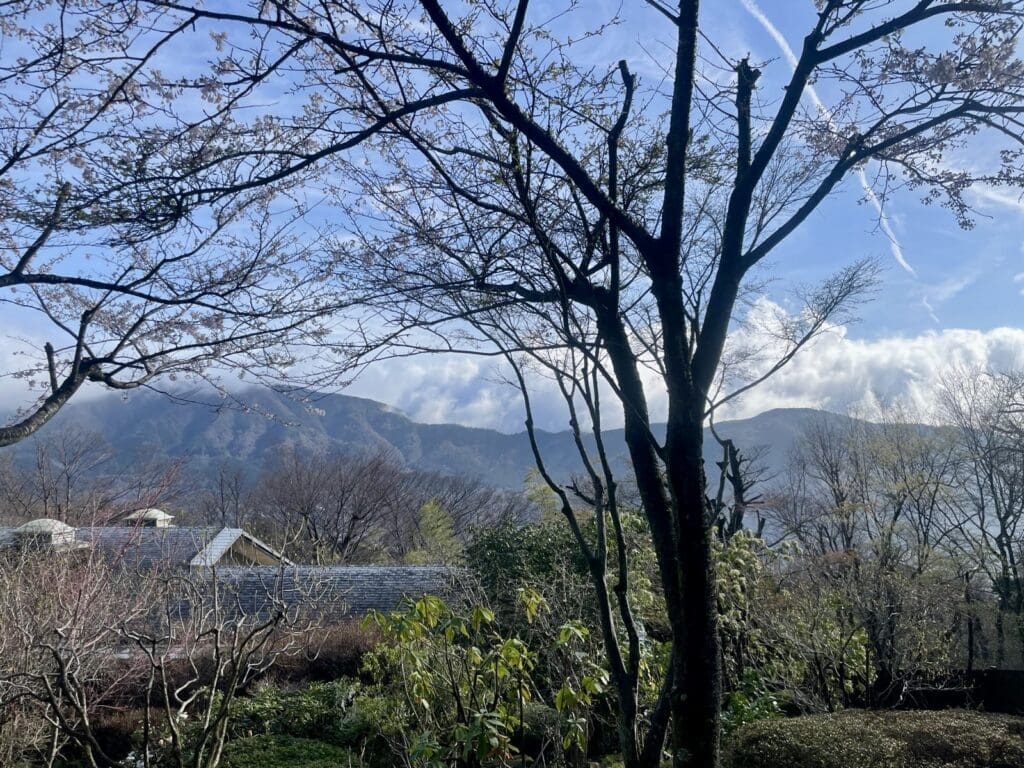
Spring is the season most people picture first — cherry blossoms, soft colors, and beautiful weather. And it really is special. But it’s also the busiest and most expensive time to visit, especially during cherry blossom season and Golden Week.
Fall (October to November)
Fall is probably the easiest season to recommend overall. The weather is comfortable, the autumn colors are beautiful, and while it’s still popular, it usually feels a little less crowded than spring.
Summer (June to August)
Summer is probably the most challenging season weather-wise. It can be very hot, humid, and rainy, especially in cities like Tokyo and Kyoto.
On the other hand, prices are often lower, there are fewer international tourists, and it’s a great time for mountain areas, coastal destinations, and summer festivals.
Winter (December to February)
Winter can be cold, especially in Kyoto and northern Japan, but it also comes with real advantages — fewer crowds, beautiful seasonal food, lower hotel prices in many cities, and incredible skiing in places like Hokkaido and Niseko.
And honestly, sitting in an outdoor onsen in winter is hard to beat.
How Long to Stay in Japan
For a first trip, I usually recommend around 10–14 days. That gives enough time to experience places like Tokyo, Kyoto, and Hakone at a comfortable pace, without constantly moving from one hotel to the next.
With two weeks, it also becomes easier to add places like Hiroshima or Kanazawa along the way.
One of the biggest challenges with Japan is balancing how much there is to see with not moving around too quickly. Most of the itineraries I plan try to create a good flow between cities, while still leaving room to actually enjoy the experience and not spend the entire trip in transit.
Planning a trip to Japan can feel overwhelming at first, especially when deciding where to go, how long to stay, and how to structure the itinerary. If you’d like help planning a trip that fits your travel style and pace, you can fill out my Japan Travel Intake Form.
Where to Go on Your First Trip to Japan
For a first trip, most people usually focus on a few of Japan’s classic highlights — Tokyo, Kyoto, and Hakone are often the combination I recommend most.
Tokyo
Tokyo somehow feels completely overwhelming and incredibly organized at the same time. One minute you’re surrounded by neon lights, giant screens, and packed streets, and the next you’re walking through a quiet temple or small local neighborhood.
Food & Tastings
Fresh seafood at Tsukiji, sake and whiskey tastings, tiny ramen spots, intimate sushi counters, and unforgettable omakase meals.
Workshops & Classes
Hands-on experiences like calligraphy, kintsugi, or ikebana (flower arranging).
Museums
Everything from the Tokyo National Museum and Mori Art Museum to immersive experiences like teamLab Borderless and the Ghibli Museum.
Shopping
Luxury boutiques in Ginza, vintage stores in Aoyama, and the energy of Harajuku.
Sports
Sumo wrestling matches and baseball games.
Kyoto
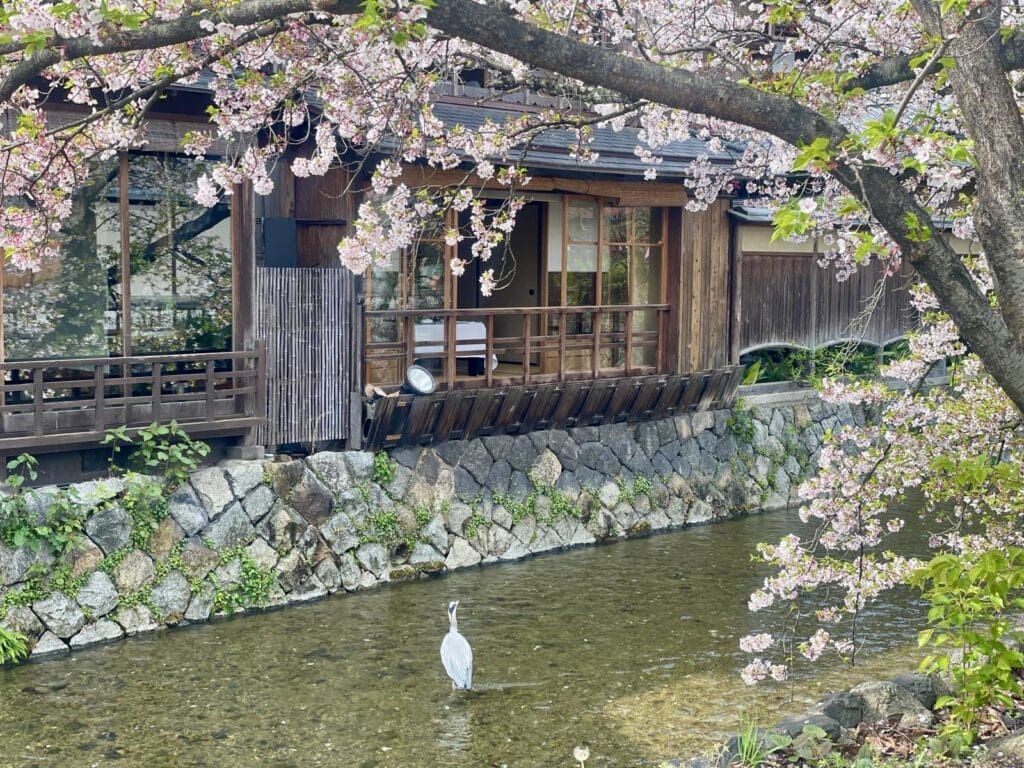
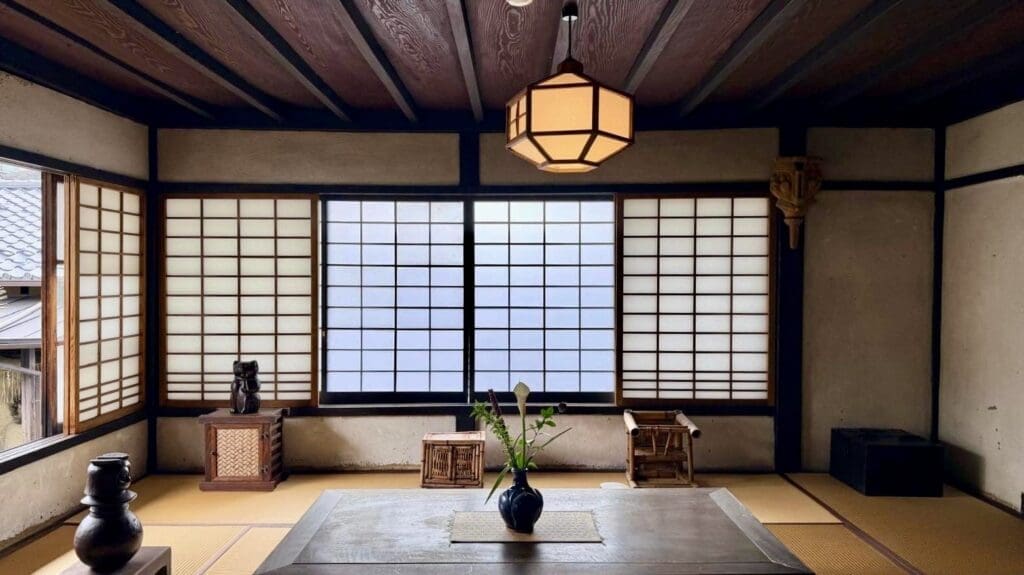
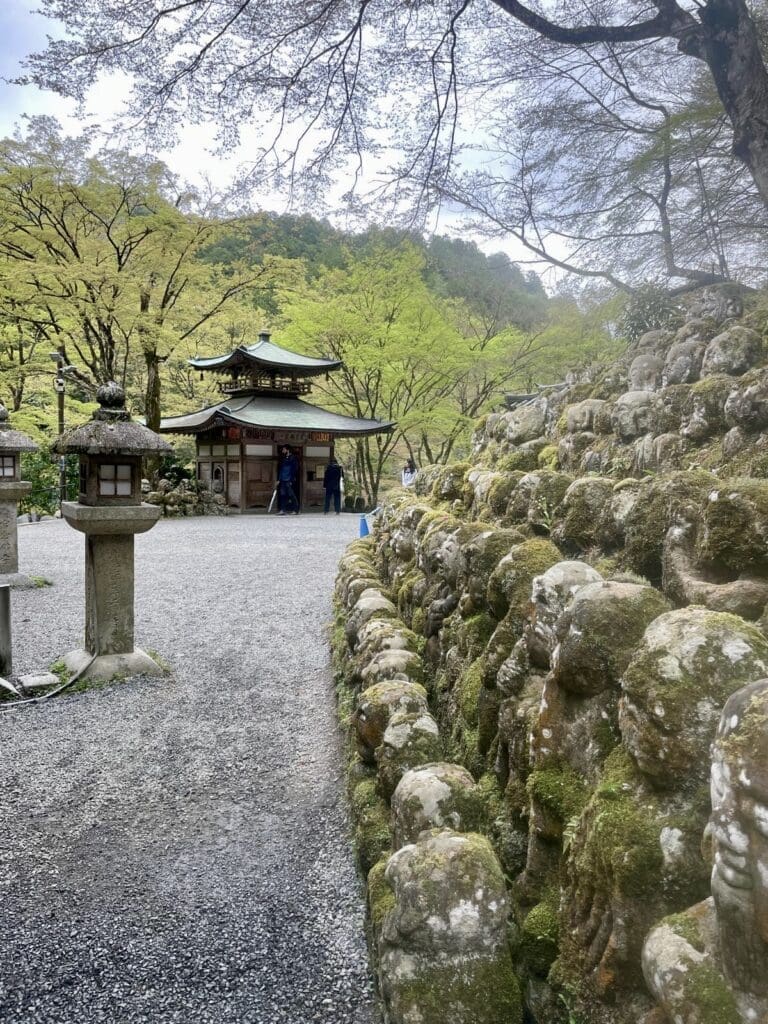
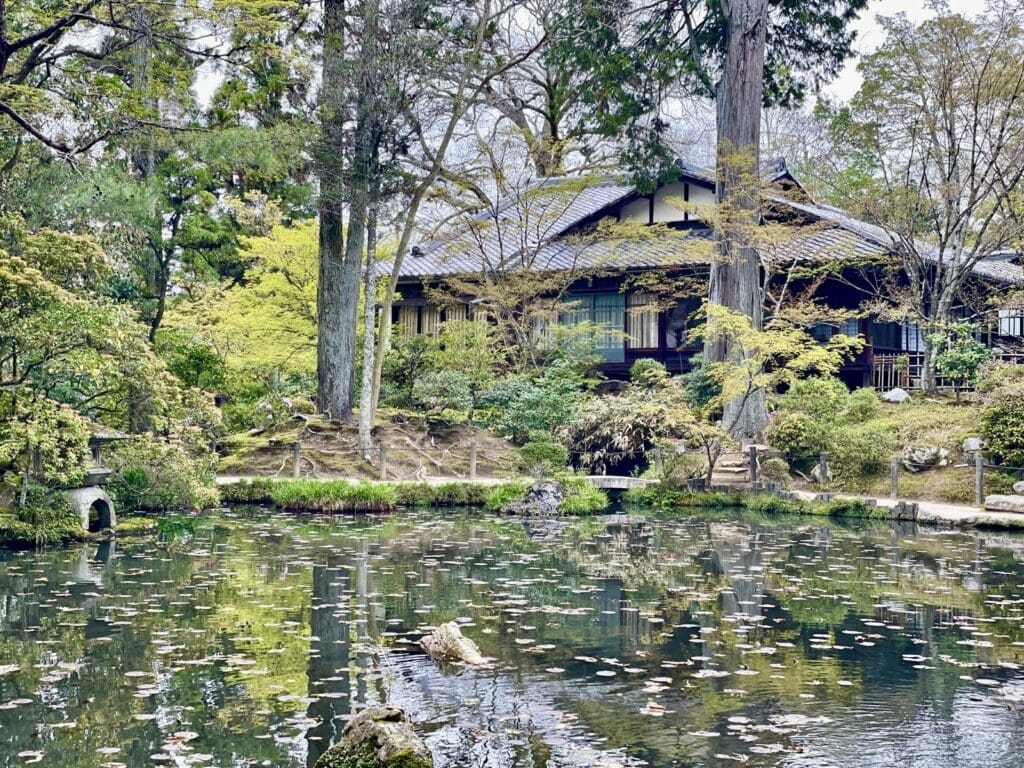
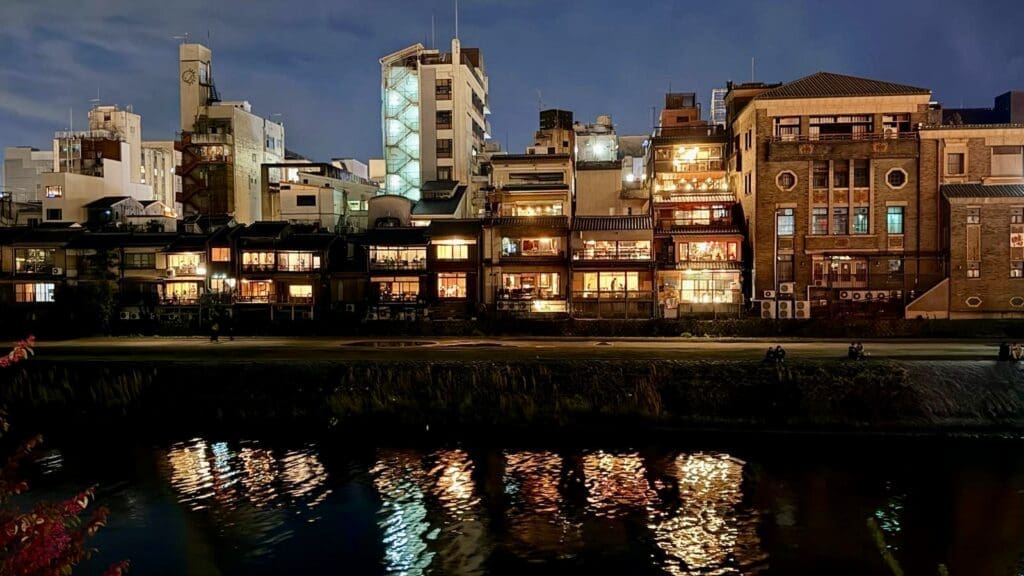
Kyoto feels completely different from Tokyo in the best way possible. It’s quieter, slower, and much more traditional, with wooden teahouses, temple gardens, and historic streets that feel almost frozen in time.
Arts & Crafts
Small galleries, artisan shops, and traditional craft workshops around Gion and Higashiyama.
Exploring
Bike through Arashiyama and the bamboo grove, visit nearby temples, or take a rickshaw ride through the historic streets.
Gardens & Temples
Spend time wandering through temple gardens and quieter parts of the city like Shosei-en Garden.
Boat Tour
A private boat ride on the Hozu River is a really special experience if you want something slower and quieter.
Culture & History
Tea ceremonies, Nijō Castle, and — with enough advance planning — even a geisha performance in Gion.
Hakone
Hakone is usually where the trip slows down a little. After the energy of Tokyo, spending a couple of nights surrounded by nature, hot springs, and mountain views feels like the perfect reset before continuing on to Kyoto. It’s also very well located between Tokyo and Kyoto, so the route flows naturally: Tokyo → Hakone → Kyoto.
Onsens & Ryokans:
Traditional inns, beautiful meals, peaceful surroundings, and private or public baths.
Lake Ashi
Boat rides with possible Mount Fuji views on clear days.
Hakone Ropeway
Views above the volcanic Owakudani Valley.
Museums
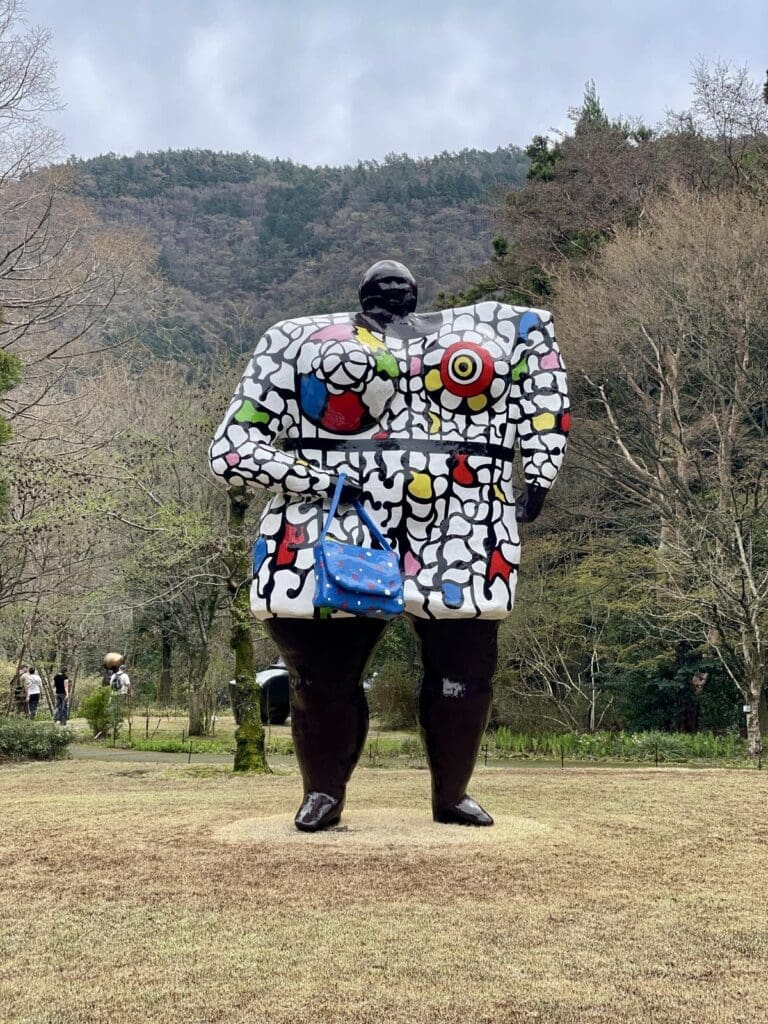
The Hakone Open-Air Museum and the Pola Museum are both excellent.
Nature
Forest trails and walks along the old cedar-lined Tokaido Road.
Beyond the Classic Route
Some travelers come to Japan for the first time already knowing they want to go a little deeper than the classic Tokyo–Kyoto–Hakone route. Others return because they’re ready to experience a different side of the country.
Either way, once you move beyond the main highlights, Japan starts to feel a little more local and relaxed. The pace slows down, things get quieter, and you find places that don’t always make it into a first itinerary — but often end up being the most memorable part of the trip.
Naoshima
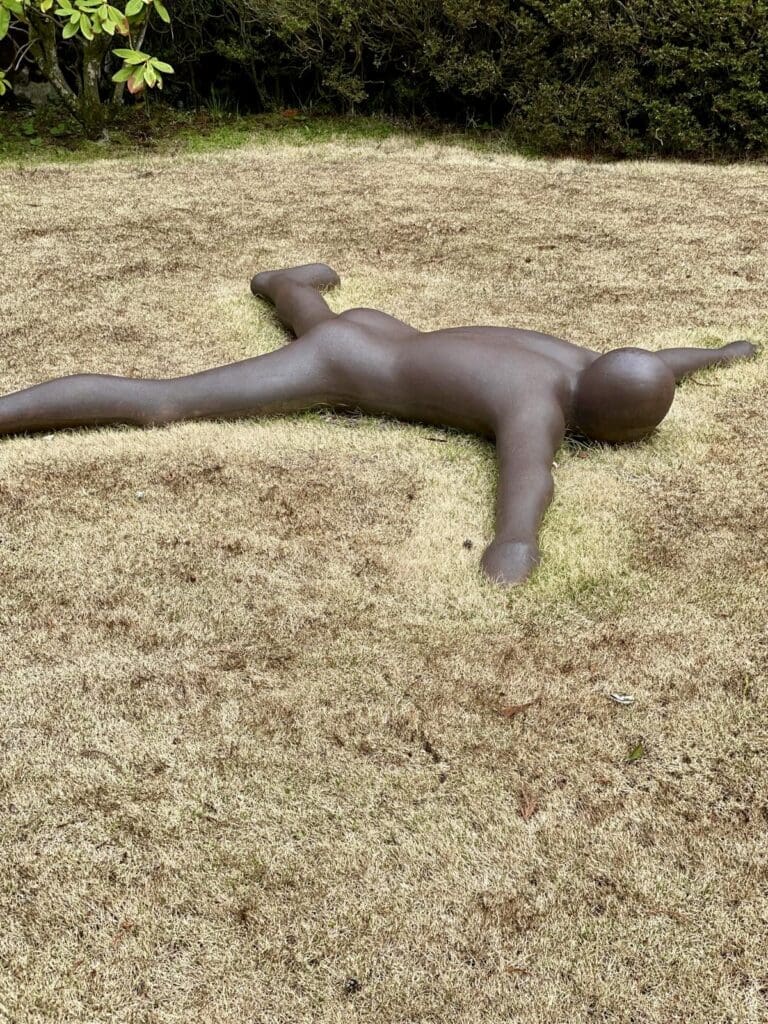
A small island focused almost entirely on art, architecture, and nature. Days here are usually spent slowly — visiting museums, biking around the island, and staying in beautifully designed hotels overlooking the water.
From Tokyo: around 4–5 hours by train + ferry
Kanazawa
Often compared to Kyoto, but less crowded and more understated. Kanazawa has preserved historic districts, beautiful gardens, a strong craft culture, and some of the best seafood in Japan.
From Tokyo: around 2.5–3 hours by bullet train
Kyushu
Southern Japan feels noticeably different from Tokyo and Kyoto. Kyushu is known for volcanic landscapes, hot spring towns, countryside scenery, and a more local atmosphere.
From Tokyo: around 5–6 hours by train or 1.5–2 hours by flight
Niseko
Most people know Niseko for its skiing — especially its dry, light powder snow. But the area is beautiful beyond winter too, with green landscapes, hiking, fresh air, and slower countryside living.
It also combines very easily with time in Tokyo or Kyoto before or after.
From Tokyo: around 1.5–2 hours by flight to Sapporo + 2–3 hours by car
Japan Travel Tips & Practical Information
Currency
Japan uses the Japanese yen (JPY). While there’s no tipping culture, many smaller shops and restaurants still prefer cash.
Language
English isn’t widely spoken outside hotels and tourist areas, but people are generally very helpful and often communicate through translation apps. Google Translate is extremely useful.
Airports
Tokyo has two main international airports — Narita (NRT) and Haneda (HND). Kyoto is usually accessed through Kansai International Airport (KIX).
Transportation
Japan’s train system is excellent and easy to use, with bullet trains connecting major cities efficiently. The Japan Transit App is very helpful for planning routes.
Luggage
Pack light if possible. Train storage is limited and hotel rooms in cities tend to be compact. The Takkyubin luggage forwarding service makes things much easier.
Trash
Public bins are surprisingly rare, so it’s normal to carry a small bag with you until you find a place to throw things away.
Foods to Try
Sushi, ramen, tempura, kaiseki dining in Kyoto, and incredibly fresh seafood in Kanazawa.
Final Thoughts
Japan is one of those destinations that tends to stay with people long after they come home. Sometimes it’s the food, sometimes the culture and design, sometimes the feeling of moving between places that somehow feel both futuristic and deeply rooted in tradition at the same time.
And almost everyone I know who’s been starts talking about going back at some point.
If you’re thinking about planning a trip to Japan and want help figuring out the right route, pace, hotels, or experiences, I’d be happy to help make the process feel a little less overwhelming.
You can start here: Japan Travel Intake Form
Or visit my Contact Page.

Travel is about more than just seeing new places—it’s about moments, people, and perspectives. In this blog, I share stories from my own journeys, along with expert tips, itineraries, and recommendations from across the world. Tag along, and discover that every journey is a new adventure.


