City Escapes, Cultural Travel, Destinations, European Destinations, Family Travel, Travel Itineraries, Weekend Getaways
January 12, 2026
A Short, Packed, and Meaningful Family Trip to Berlin
I’d heard so many things about Berlin from friends and family over the years, but it took me a while to get there myself. It felt like a destination that required the right moment. When we finally went on our family trip to Berlin, one thing was clear: Berlin doesn’t leave you indifferent.
Why Berlin Leaves No One Indifferent
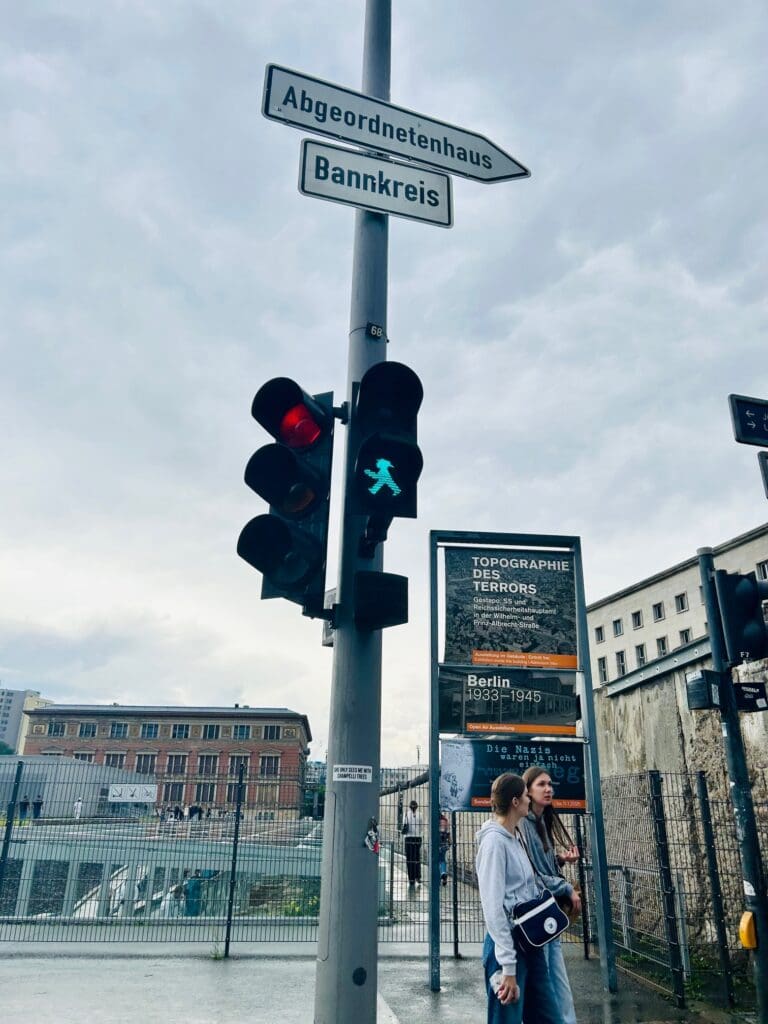
What stood out to us most was how present history feels everywhere you go. Sometimes it shows up in small, almost easy-to-miss details, like the Ampelmann—the little hat-wearing man on pedestrian traffic lights, designed in East Germany in the 1960s and still used today, quietly telling the story of a divided city that found its way back together. And sometimes it’s impossible to miss, like the Berlin Wall itself.
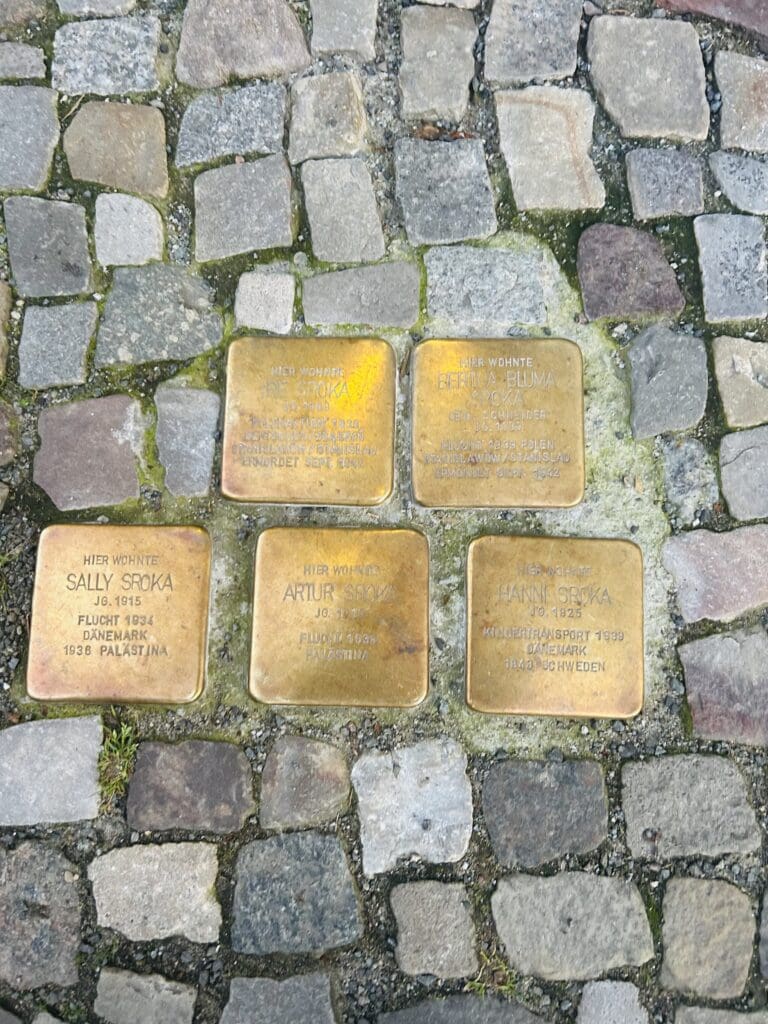
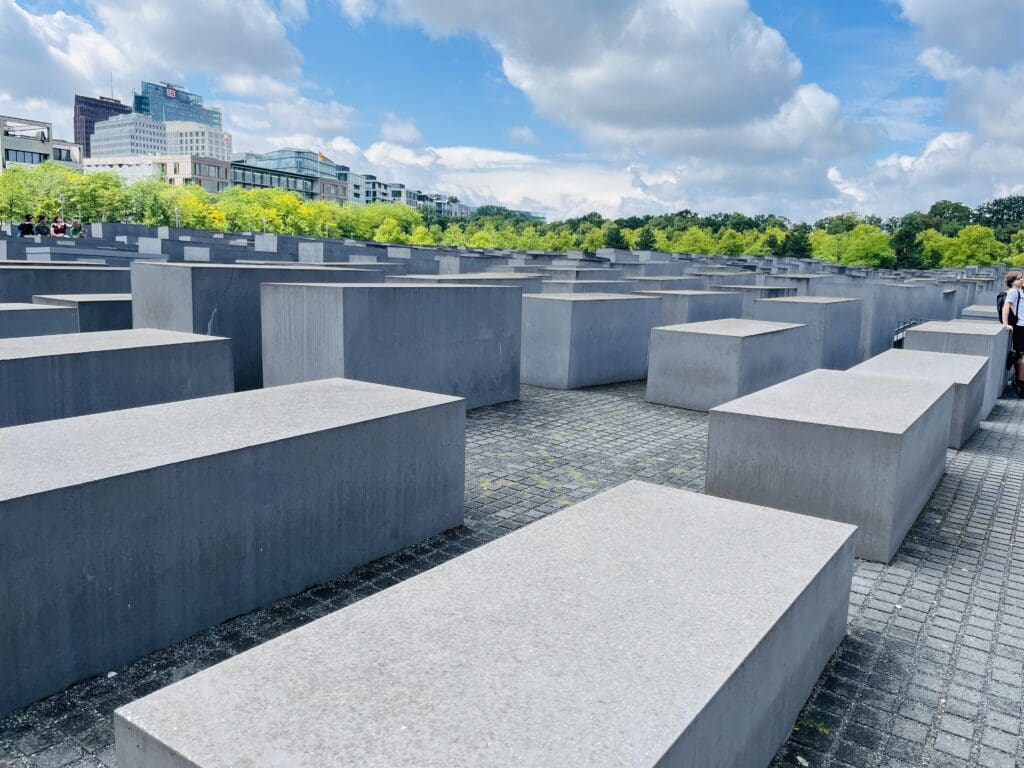
And for us, of course, there was the Jewish story. It’s woven into the city in a way that feels constant and deeply moving. From the Memorial to the Murdered Jews of Europe, to the Jewish Museum, to the Stolpersteine—small brass plaques set into the sidewalks, placed in front of the last homes of people deported or murdered by the Nazis. Each one carries a name, a date, a life.
That was one of the moments that stayed with me the most. It turns history into something very personal, something you feel as you walk through the city.
Below are some of our favorite experiences from our three days in Berlin.
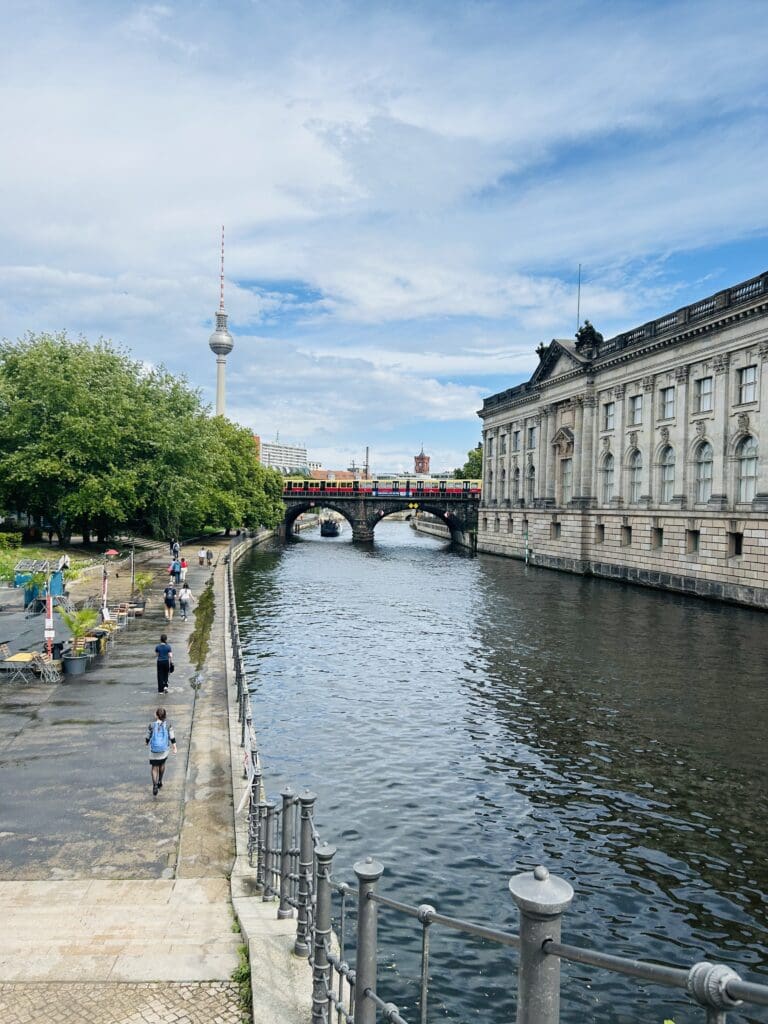
A First-Day Walking Tour: The Best Way to Understand Berlin
This is a tip I’ve shared before: when I arrive in a new city, the first thing I like to do is take a guided walking tour. A few hours are usually enough to get oriented and understand the place a bit better. You can’t see everything in one tour, of course, so it helps to do a little research and choose an angle that speaks to you—whether that’s a specific neighborhood or a theme like history, food, art, or architecture.
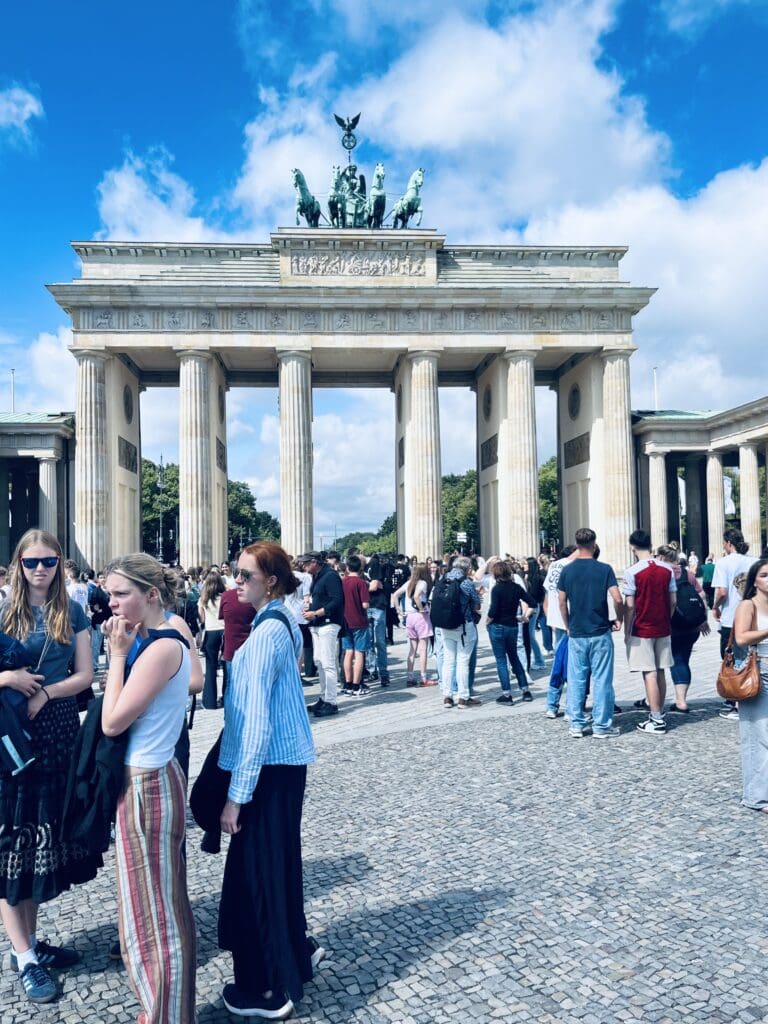
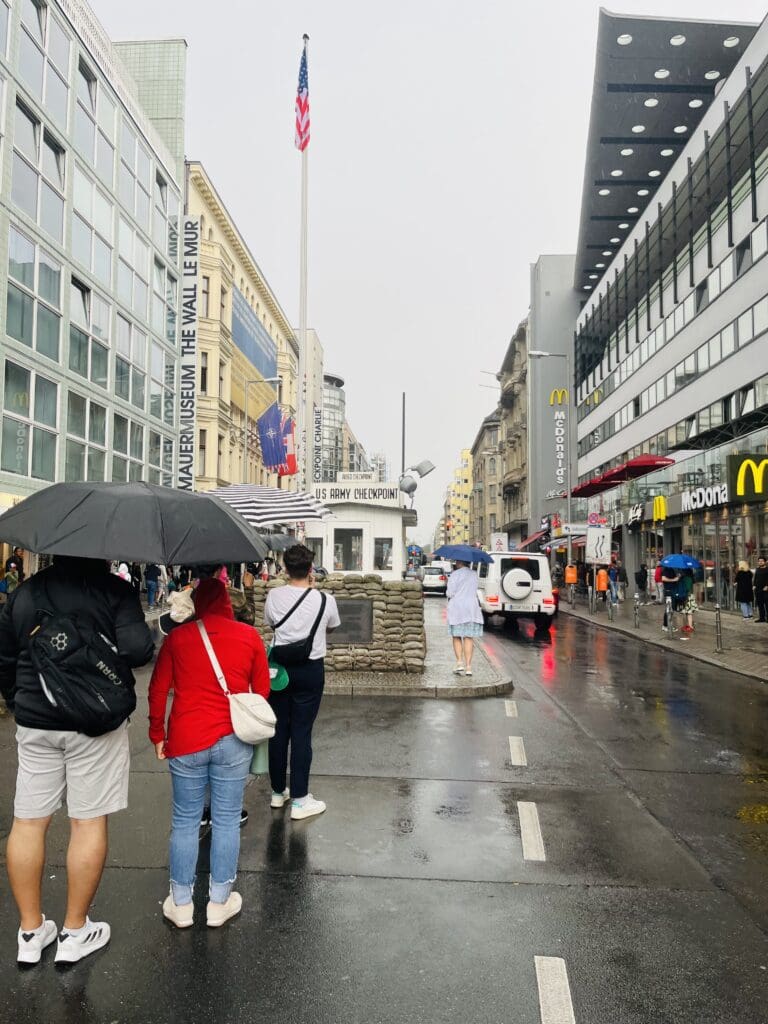
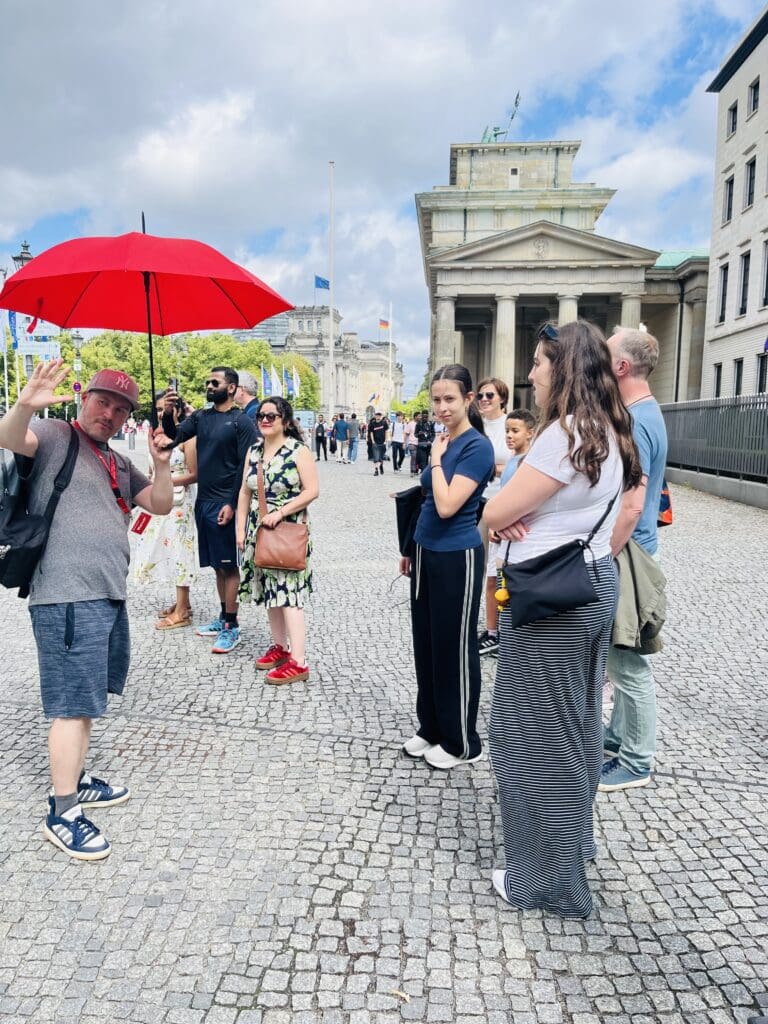
In Berlin, we chose a tour that focused on a fairly small area but gave us a great overview of the city’s story—from the 1920s, through the rise of the Nazi regime, World War II, the Cold War, and finally reunification. We started at the Brandenburg Gate, stood above what was once Hitler’s bunker (now a parking lot), visited the Holocaust Memorial, touched a remaining section of the Berlin Wall, and visited Checkpoint Charlie, one of the most well-known symbols of the divide between East and West.
Topography of Terror – Confronting Berlin’s Darkest Chapters
From Checkpoint Charlie, we walked over to the Topography of Terror Documentation Center. It’s a powerful museum and memorial, located on the former site of the Nazi Gestapo, SS, and Reich Security Main Office. The exhibitions focus on the rise of the Nazi regime and the crimes carried out by its institutions.
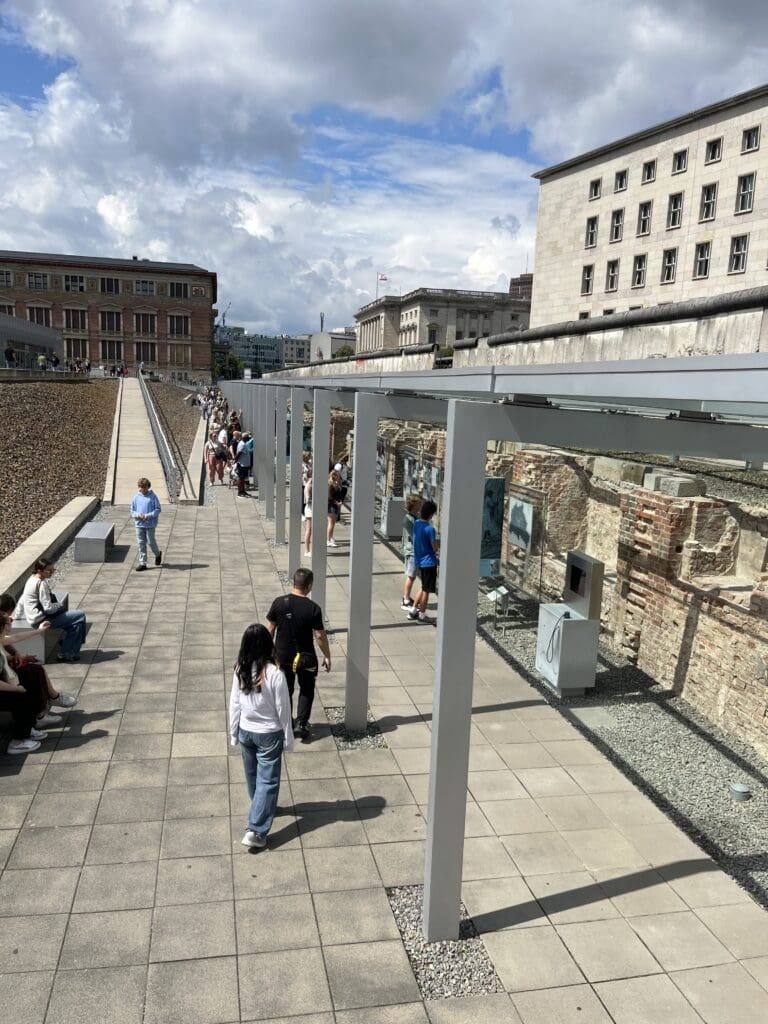
We spent most of our time in the outdoor exhibition, Berlin 1933–1945. Walking through it felt especially impactful: preserved foundation walls from the original buildings, an open trench running through the site, detailed information panels, and one of the longest remaining stretches of the Berlin Wall. It’s not an easy visit, but it’s a meaningful one—and it adds an essential layer of context to understanding Berlin.
Seeing Berlin From Above – The Reichstag Dome
One thing I always love to do when visiting a new place is see it from above. It helps me get a sense of the city and understand where everything sits. While planning our family trip to Berlin, I kept coming across recommendations to visit the Dome of the Reichstag—and they were right.
The glass dome, designed by architect Norman Foster, sits on top of the historic building and has a clean, modern feel. As you walk up the spiral ramp, the city slowly opens up around you, with wide views over Berlin’s rooftops, parks, and landmarks. It’s straightforward, well done, and gives you a really good sense of the city from above.
Important tip: the visit is free, but you do need to book in advance. Registration is done online, and during high season spots fill up quickly, so it’s worth planning ahead.
East Side Gallery – Art Along the Berlin Wall
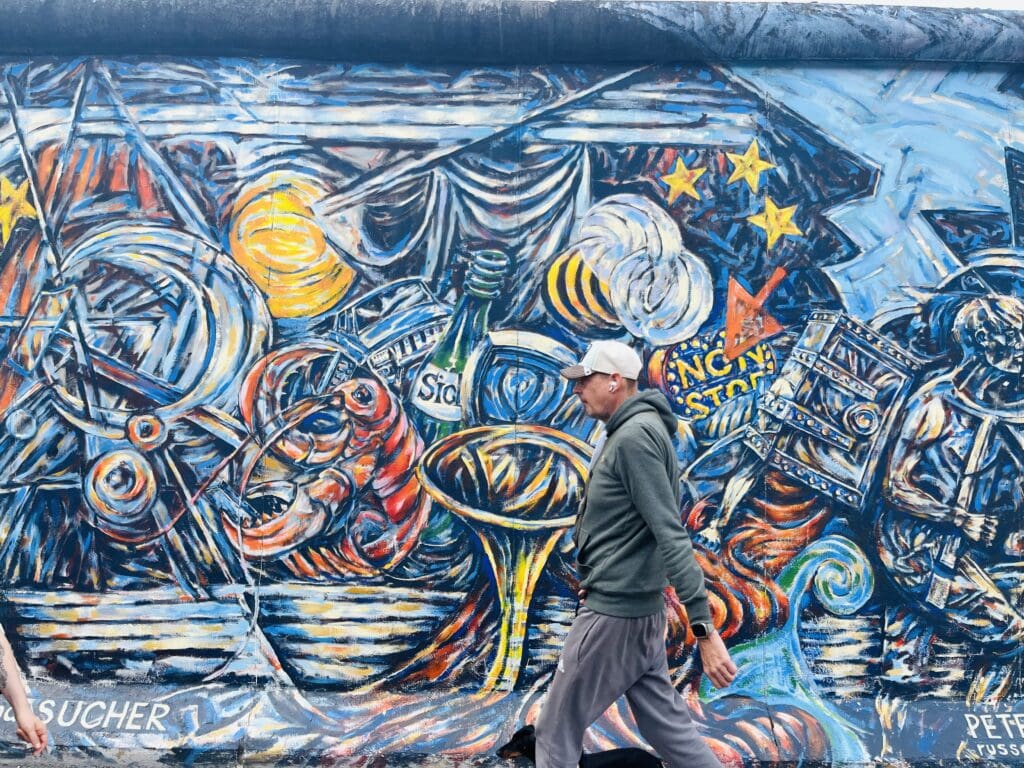
On our second day in Berlin, we visited the East Side Gallery—an open-air gallery set along the longest remaining stretch of the Berlin Wall. More than 100 murals by artists from around the world reflect on the political changes of 1989–90.
Walking along this open museum is a truly unique experience. The artwork feels alive, current, and deeply connected to the city’s history. It’s an absolute must when visiting Berlin.
The Jewish Museum Berlin – Architecture That Tells a Story
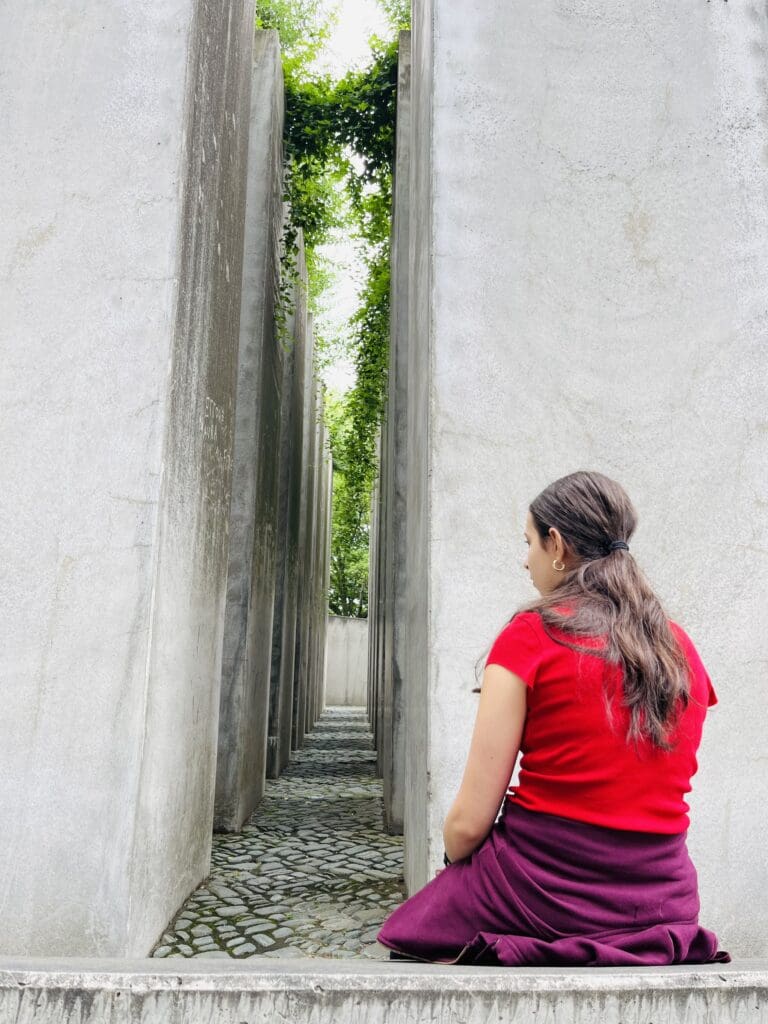
Visiting the Jewish Museum felt very different from any other history museum I’ve been to. Instead of a traditional, linear layout, the space is organized around zigzagging corridors, sharp angles, and raw concrete. It felt like the architecture itself is almost as important as the objects on display, shaping how you move through—and feel—the story.
A particularly personal moment for me was coming across a photo album titled “Emigration of a Youth Aliyah Group to Palestine” from Kibbutz Ein Harod, just five minutes from Kibbutz Beit Hashita, where I grew up. It was an unexpected and emotional connection in the middle of Berlin.
The Stasi Museum: A Chilling Look at Life in East Germany
Full disclosure: the Stasi Museum wasn’t originally on our itinerary. But after hearing from friends who had recently been to Berlin and highly recommended it, I decided to book a guided tour led by a museum staff member. It ended up being one of the true highlights of our visit.
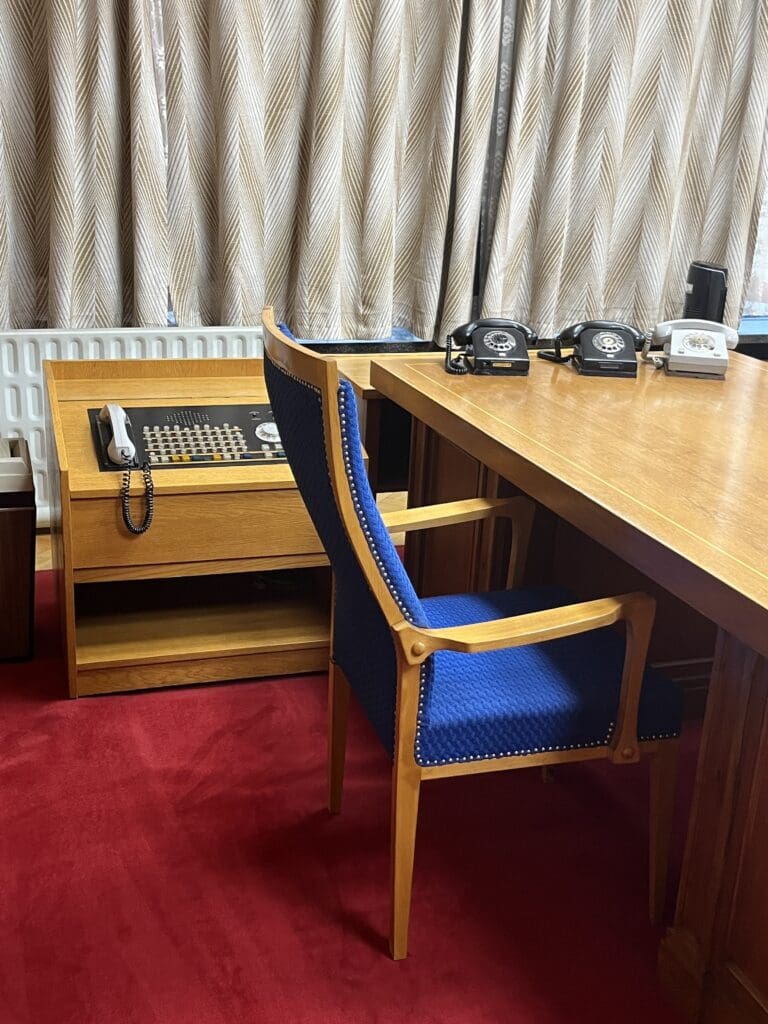
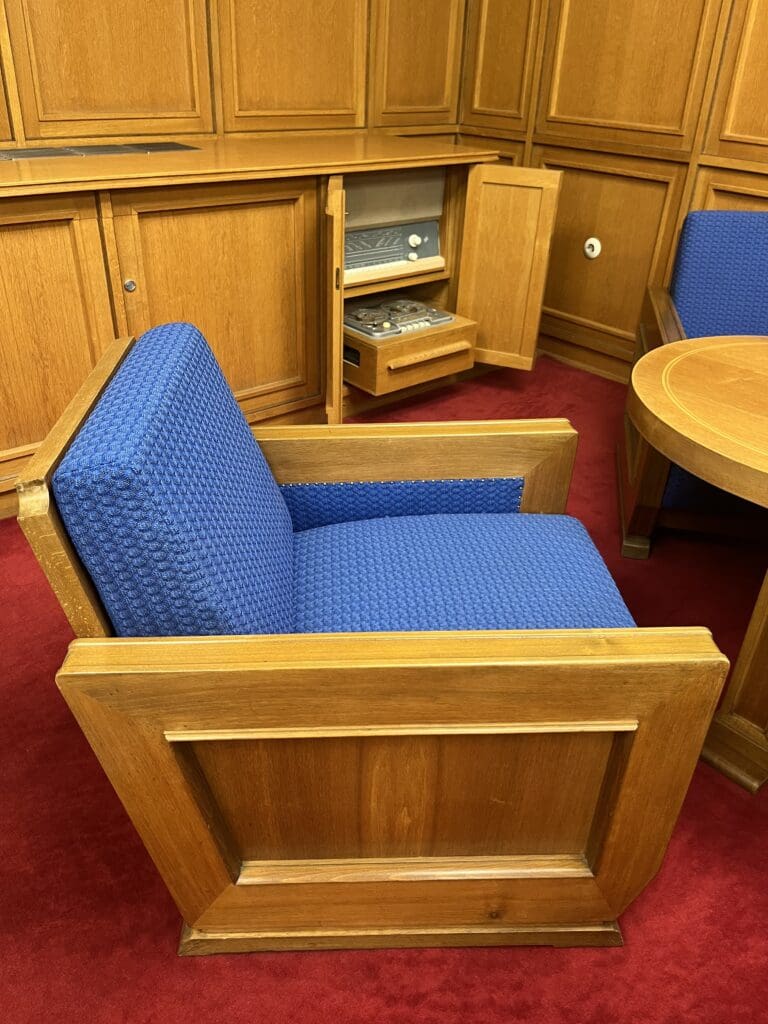
The museum is located in House 1, part of the former headquarters of the GDR’s Ministry for State Security—once the workplace of Erich Mielke, who served as Minister for State Security until November 1989. At the heart of the museum is his office suite, preserved much as it was at the time, which makes the experience feel especially immediate and real.
The tour reveals just how deeply the GDR controlled everyday life through constant surveillance and a vast network of informants—many of them ordinary citizens. Files, listening devices, and hidden cameras were used not only to punish, but to create fear and restrict personal freedom.
Our guide wasn’t a performer, but he was incredibly knowledgeable and shared personal stories along the way. One that really stayed with me was about a close friend who discovered, after the fall of the GDR, that his own father had been spying on him. The fact that everything in the museum has been left exactly as it was makes the experience truly chilling. If you have the time, I highly recommend visiting—it’s a rare and powerful glimpse into a very recent past.
Hackesche Höfe: A Hidden World in Berlin’s Mitte
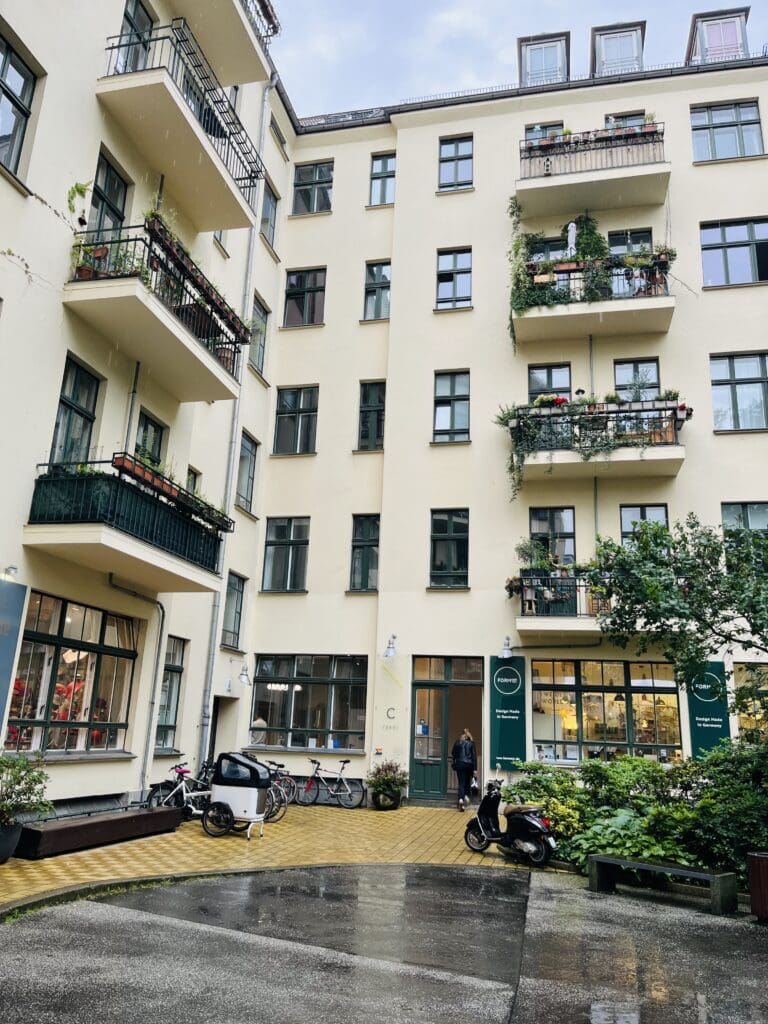
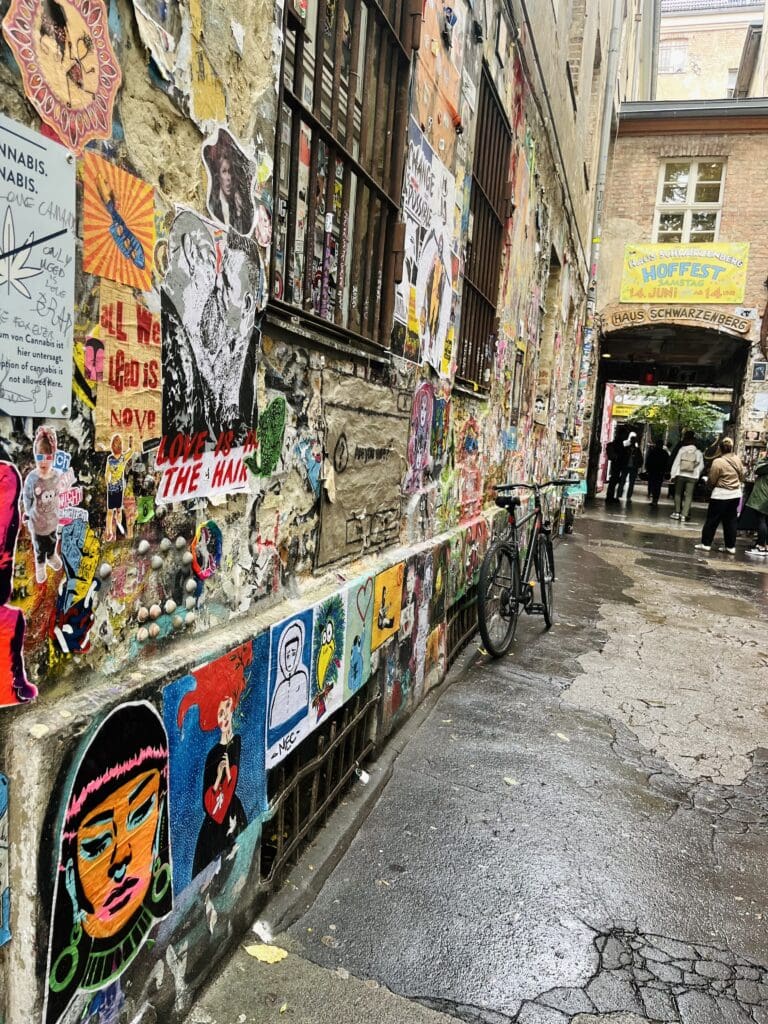
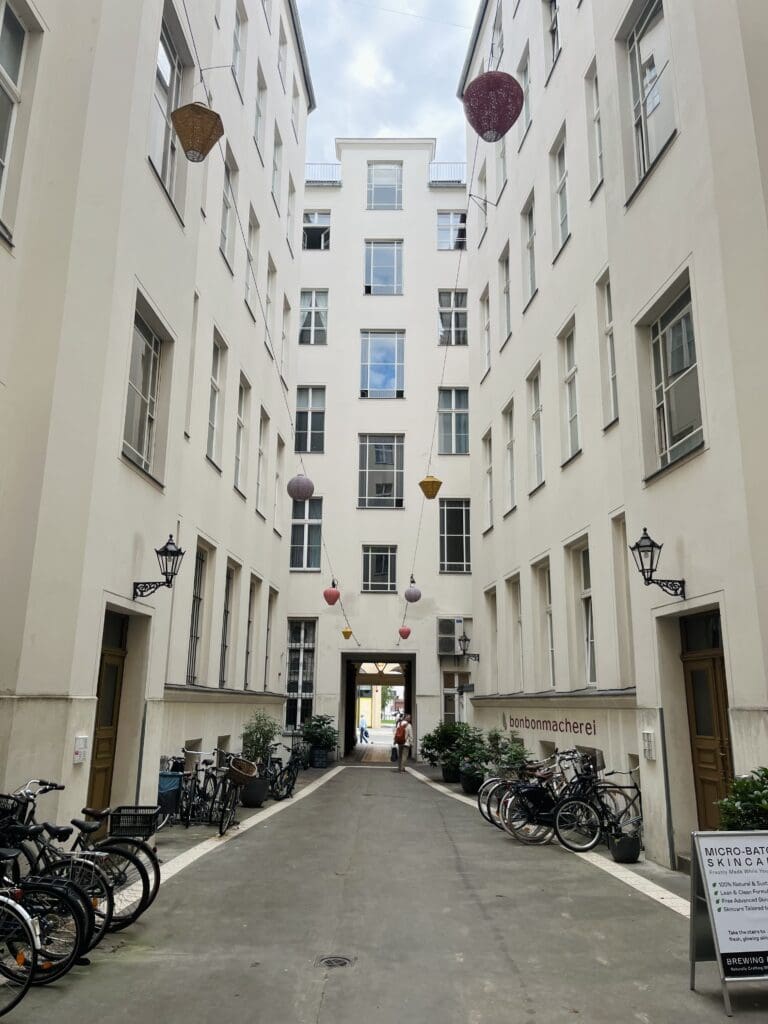
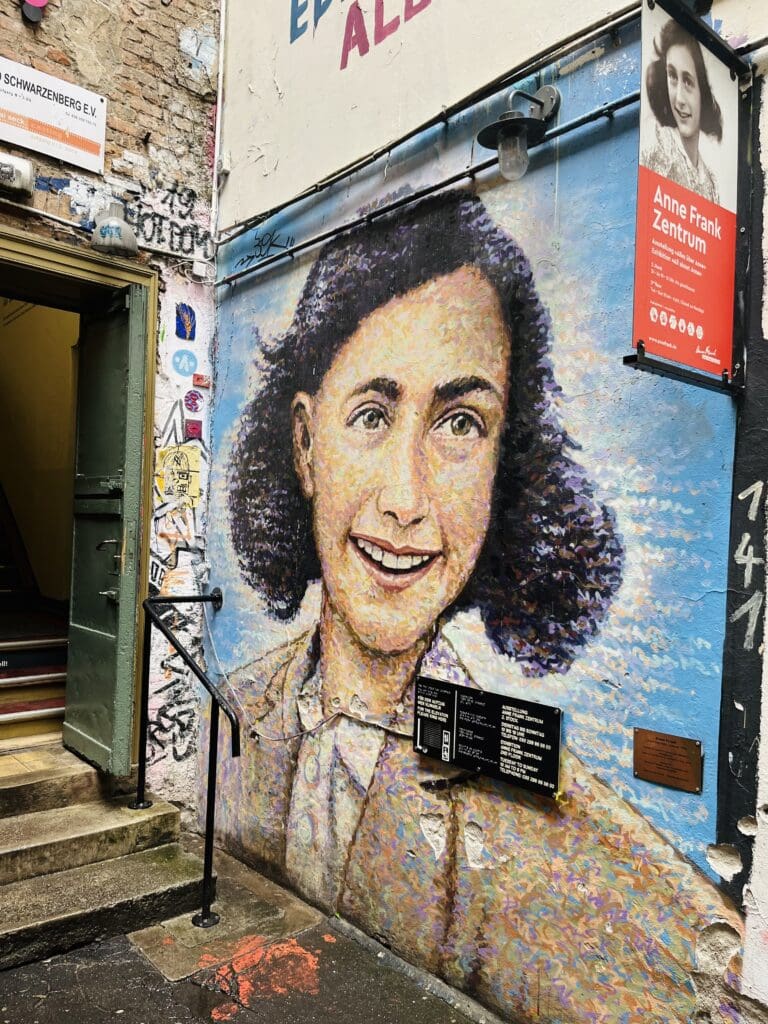
Right in the heart of Mitte, Hackesche Höfe is a cluster of eight public courtyards filled with cafés and boutiques, originally built in 1907. The historic buildings, with their beautiful Art Nouveau facades, are connected by a series of small courtyards that feel almost maze-like, blending shops, art galleries, culture, and a bit of nightlife.
The complex was only partially damaged during World War II and wasn’t fully restored until after reunification, starting in 1993—which somehow makes wandering through it feel even more special.
Since our hotel was nearby, we didn’t experience Hackesche Höfe all at once. Instead, we discovered it gradually, passing through at different times of day. What we enjoyed most was the sense of beauty and that unique feeling that behind these elegant facades, a whole “secret world” opens up.
Highly recommended. And if you’re already in the area, I’d also suggest taking time to explore the small streets of Rosenthaler Vorstadt nearby. With its trendy boutiques, great cafés, and restaurants, it’s a fun neighborhood to wander. Even though there are plenty of visitors around, it still feels surprisingly local.
Where to Stay in Berlin – My Personal Hotel Picks
Hotel de Rome – Elegant and Central
If you’re looking for something refined and very central, this is a great option. Set in a beautiful historic building, Hotel de Rome feels polished without being stiff. Service is excellent, and the rooftop is worth a visit on its own—it’s one of those places you naturally gravitate to at the end of the day.
Why it works: Central location, refined feel, great service
Perks: Daily breakfast, hotel credit, room upgrade upon availability
Wilmina Hotel – Quiet Design in Charlottenburg
Wilmina is the kind of place you choose when you want quiet and thoughtful design over being in the middle of the action. Located in Charlottenburg, a more residential and elegant part of Berlin, it offers a lovely contrast to busier areas like Mitte. Hidden behind leafy courtyards, it feels like a small retreat within the city.
Each room is different, the atmosphere is calm and understated, and the in-house bakery is a real bonus for slow mornings.Why it works: Peaceful setting, beautiful design
Notable touches: Individually designed rooms, in-house bakery
Perks: Daily breakfast, hotel credit, room upgrade upon availability
The Mandala Hotel – Comfortable and Family-Friendly
This is the one I recommend if you want something central, comfortable, and easy—especially when traveling with kids. Located by Potsdamer Platz, it’s very convenient for getting around Berlin. The rooms are noticeably spacious for the city, simple in design, and very comfortable.Why it works: Central location, modern and straightforward
Perks: Daily breakfast, hotel credit, room upgrade upon availability
Telegraphenamt Hotel – Industrial Style with Soul
Set in a former telegraph office, Telegraphenamt blends its industrial past with bold, modern design. The hotel is relatively small, which gives it a more intimate feel, and the shared spaces—especially the bar and dining areas—are places you’ll likely linger longer than planned.
Why it works: Strong sense of place, excellent location
Perks: Room upgrade upon availability, daily hotel credit
telegraphenamt.com
Choosing the right base can really shape a family trip to Berlin, especially when days are full and location matters.
My Favorite Coffee in Berlin
I tried coffee in quite a few places around the city, but this was the one I kept thinking about. Five Elephant has several locations around Berlin; I went to the Mitte spot since it was right by our hotel. Thanks to a very friendly barista, I finally learned why a flat white beats my usual cappuccino—try it.Vibe: Relaxed and unfussy—easy for a quick stop, but nice enough to linger.
Five Elephant Coffee
Planning Your Own Family Trip to Berlin?
Berlin is layered, emotional, and endlessly interesting—and planning it well makes all the difference, especially when traveling as a family. If you’re thinking about a trip to Berlin and want help shaping an itinerary that balances history, culture, and time to simply enjoy the city together, I’d be happy to help.
Feel free to visit my Contact page or fill out my Travel Planning Intake Form if you’d like thoughtful hotel recommendations, guided experiences, or a custom itinerary tailored to how you like to travel.
Related City Escapes
If you enjoy exploring cities at your own pace, you might also like our guides to:
- Top Things to Do in Madrid in 2 Days – Quick city highlights, markets, and local eats.
- A Family Trip to London – Museums, parks, and kid-friendly adventures.
- Things to Do in Munich – Favorite spots and day trips

Travel is about more than just seeing new places—it’s about moments, people, and perspectives. In this blog, I share stories from my own journeys, along with expert tips, itineraries, and recommendations from across the world. Tag along, and discover that every journey is a new adventure.


